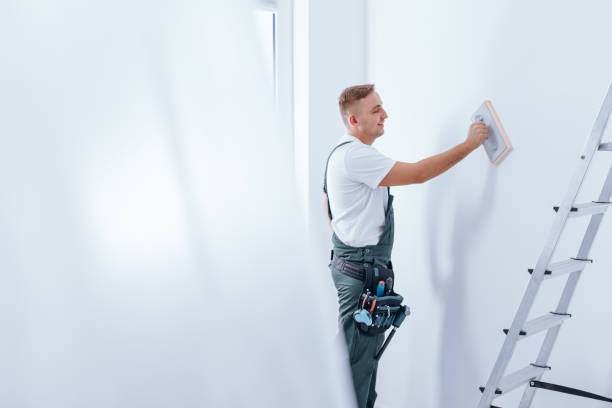
Selecting the right house painter is a critical step in ensuring your home project is completed with professionalism and high-quality results. With so many options available, it can feel overwhelming to make the best decision. Here are several tips to guide you in finding the ideal residential painter for your needs.
1. Assess Experience and Qualifications
When evaluating potential painters, take time to review their background and experience. Look for professionals who specialize in residential painting and have a proven track record of successfully completing projects similar to yours. Consider the following factors: – Years of experience: More experienced painters are likely to provide higher quality work. – Certifications or training: Check if they have relevant certifications, such as safety training or paint application techniques. – Portfolio: Request examples of previous projects to assess their expertise.
2. Verify Licensing and Insurance
Always ensure that the painter you hire holds proper licensing and insurance. Licensed professionals are more likely to adhere to local building codes, while insurance protects you from liability in case of accidents or damage during the project.
Key documents to request include: – A valid business license – General liability insurance – Workers’ compensation coverage (if applicable)
3. Read Reviews and Check References
Online reviews and recommendations from past clients can provide valuable insights into a house painter’s reliability, professionalism, and skill level. Use websites like Google Reviews or Yelp as starting points but also request references directly from the painter. When speaking with references, ask questions such as: – Was the project completed on time? – Were there any surprises with costs? – How satisfied were you with the final results?
4. Evaluate Communication Skills
Effective communication is essential when working with a contractor on your home project. Choose someone who listens attentively to your requirements, answers your questions thoroughly, and provides clear explanations about their process.
Signs of strong communication skills include: – Prompt responses via email or phone – Detailed written estimates outlining costs and timelines – Willingness to discuss options regarding materials, colors, and finishes
5. Compare Estimates Carefully
Before making a decision, gather quotes from at least three different painters for comparison. Review each estimate carefully rather than simply choosing based on price alone. Pay attention to details like: | Criteria | Questions to Ask | |——————————|—————————————————————————————| | Scope of Work | What specific tasks are included in this quote? Are surface preparation or repairs part of it? | | Materials | Will premium paints or budget-friendly options be used? | | Timeline | How long will the project take? Are there provisions for delays? |
This table can help compare estimates easily while ensuring clarity about what each painter offers.
6. Observe Their Attention to Detail During Consultations
A professional painter will visit your property before offering an estimate or starting work. During this meeting, observe how they assess surfaces that need painting, discuss preparatory steps (e.g., cleaning walls), and suggest suitable paint types based on interior vs exterior use.
Red flags during consultations might include vague explanations about processes or reluctance to answer specific queries regarding materials.
By taking these steps seriously when selecting a residential house painter for your next home project, you’ll increase your chances of achieving beautiful results that last years without compromise on quality standards or budget expectations—saving stress down the road from poorly executed work needing re-touchups!
Finding Painters Northwest Ohio Who Excel in Communication and Collaboration
Hiring the right painter involves more than just evaluating their technical skills. It’s also crucial to identify a professional who excels in open communication and values collaboration. The relationship between you and your painter can significantly impact the success of your painting project. Below, we outline practical ways to assess whether a painter prioritizes these qualities.
Finding Transparent Quotes for Painting Services Northwest Ohio
A reliable painter should provide a clear and transparent breakdown of costs. Vague or incomplete estimates may indicate poor communication practices. When reviewing quotes, check if they include:
– Labor costs
– Materials (type, quality, and quantity)
– Timeline for completion
– Any additional charges
This level of detail demonstrates professionalism and willingness to openly share project specifics with you.
Discover the Importance of Communication in House Painting OH
Discuss how the painter plans to keep you informed throughout the process. Effective painters often:
– Provide regular updates on progress
– Share any challenges or unexpected delays immediately
– Use various communication channels (e.g., phone calls, emails, or texts)
A mutually agreed-upon method of communication will prevent misunderstandings.
Assess Their Willingness to Consider Your Ideas for Interior Painting
Painters who value collaboration always take time to listen to your preferences, ideas, and concerns before starting work. During initial discussions:
– Observe how they respond when you share your vision for color schemes or designs. Do they seem engaged?
– Note if they ask clarifying questions about your expectations. – Ensure they are open to incorporating changes mid-project if needed.
An attentive listener is more likely to deliver results that align with your vision.
How to Discuss Exterior Painting Projects That Involved Collaboration
Request examples where the painter worked closely with homeowners or other contractors on a project requiring teamwork. Questions you might ask include:
– How do you handle disagreements during collaborative projects? – Can you describe an instance where homeowner feedback influenced the final outcome?
Their answers will give insight into their ability to collaborate effectively.
Check References for Communication Feedback
When contacting references provided by the painter, specifically ask about their communication skills:
| Question | Purpose | Example Response To Seek |
|—————————————–|————————————–|————————————–| | “How responsive was the painter?” | Gauge reliability in addressing queries.| “They were quick to answer any questions I had.” | | “Did they discuss issues openly?” | Assess honesty/transparency | “Yes—they informed me about potential delays.”| | “Were they receptive toward suggestions?”| Understand flexibility/inclusivity | “Absolutely—they valued my contributions.”|
Well-rounded feedback from previous clients can validate whether this professional thrives on open dialogue.
Observe Early Interactions During Consultation
The consultation phase serves as an opportunity for initial impressions regarding their communication style: – Are they punctual during meetings? – Do they show attentiveness while discussing details? – Are explanations given in plain language rather than overly technical terms?
Positive early interactions often indicate consistent future behavior throughout larger tasks/projects.
Choosing someone skilled not only technically but capable communicatively ensures smoother processes & trusted experiences ultimately achieving desired finishes successfully tailored around collaborative dynamics
Key Questions to Ask About a Painter’s Knowledge and Expertise Before Hiring
Selecting the right painter for your home project requires careful consideration of their skills, experience, and expertise. Asking the right questions during your selection process can help ensure that the painter you hire is not only qualified but also capable of delivering high-quality results. Here are some essential questions to ask before making your decision.

1. What Is Your Experience in Residential Painting?
- Why it matters: Experience often translates into better craftsmanship and efficiency.
- Number of years in business.
- Types of projects completed (interior, exterior, specialty finishes).
- Familiarity with various surfaces and materials, such as drywall, wood, or stucco.
2. Are You Licensed and Insured?
- Why it matters: A licensed and insured painter demonstrates professionalism and protects you from liability.
- The validity of their license (if applicable in your region).
- Proof of liability insurance.
- Worker’s compensation coverage for their team.
3. Can You Provide References or a Portfolio?
- Why it matters: Reviews and past work provide insight into the quality of service offered.
- Photos or videos of completed projects.
- Contact information for past clients willing to share their experiences.
- Testimonials on reliable platforms.
4. What Paint Products Do You Use?
- Why it matters: The quality of paint impacts durability and appearance.
- Preferred brands (e.g., Sherwin-Williams, Benjamin Moore).
- Availability of low-VOC or eco-friendly options.
- Advice on selecting finishes (e.g., matte, eggshell, semi-gloss).
| Paint Type | Best For | Characteristics |
| Matte | Ceilings, low-traffic areas | Hides imperfections well |
| Eggshell | Living rooms, bedrooms | Slightly washable; subtle sheen |
| Semi-gloss | Kitchens, bathrooms | Durable; easy to clean |
5. Do You Offer a Written Estimate?
- Why it matters: Transparency in pricing helps prevent unexpected costs later.
- A detailed breakdown (labor, materials).
- Timeline expectations.
- Payment terms.
6. What Is Your Painting Process?
- Why it matters: A structured approach ensures consistency and efficiency.
- Surface preparation techniques (e.g., sanding, priming).
- Number of coats applied for even coverage.
- Cleanup practices after project completion.
Additional Considerations
- Observe their communication skills—do they answer technical questions clearly?
- Check whether they stay updated with modern techniques or attend training sessions regularly.
- Confirm if they offer warranties on workmanship to ensure accountability.
By asking these targeted questions and actively listening to responses, you’ll be better equipped to assess whether a professional painter meets your project’s needs effectively while aligning with your expectations for quality work.
Understanding the Painting Process: What to Enquire About During Consultation
When embarking on a painting project for your home, understanding the painting process is essential. A thorough consultation with your painter provides an opportunity to ensure clarity, set expectations, and avoid misunderstandings. Asking the right questions will not only help you grasp the process but also ensure that it aligns with your goals and requirements.
Key Questions to Ask About the Painting Process
- “How do you prepare surfaces before starting to paint?”
Surface preparation is critical for long-lasting results. Professional painters should include tasks such as cleaning, sanding, patching holes, and applying primer if necessary. - “What type or brand of paint do you recommend, and why?”
Discuss whether they use high-quality paints suitable for your specific surfaces (e.g., walls, ceilings, or trim) and if they consider factors like durability or environmental impact. - “How long do you estimate this project will take from start to finish?”
Understanding their estimated timeline helps manage expectations and ensures minimal disruption to your routine. - “How many coats of paint do you normally apply?”
High-quality jobs often require multiple coats for even coverage and vibrant results. - “What precautions do you take to protect furniture, flooring, and surrounding areas during painting?”
A professional should have measures in place such as drop cloths or plastic coverings to safeguard your interior spaces.
The Importance of a Detailed Painting Plan
| Phase | Description |
| Surface Inspection | Assessing walls or surfaces for cracks, peeling paint, or imperfections. |
| Preparation | Cleaning surfaces; repairing damages; applying primer where needed. |
| Painting | Applying paint in layers; ensuring smooth finishes without streaks. |
| Final Touch-ups | Addressing uneven spots; ensuring lines are clean near edges or corners. |
| Clean-Up | Removing all tools and protective coverings; leaving no mess behind. |
Red Flags During Consultation
- Vague answers about their process or materials.
- Reluctance to discuss safety practices.
- No clear plan for post-project clean-up.
- Unwillingness to provide a written estimate detailing labor costs and materials.
Why Asking Questions Matters
Understanding every step of the painting process empowers homeowners to make informed decisions while fostering trust between both parties. Open communication ensures that everyone is aligned on project goals while reducing room for errors later in execution.
By thoroughly discussing these aspects during consultation sessions with prospective painters, you’ll be better equipped not just to evaluate their expertise but also determine whether they are the right fit for bringing your vision to life effectively.
Signs That Show a Painter Truly Cares About Your Individual Painting Project
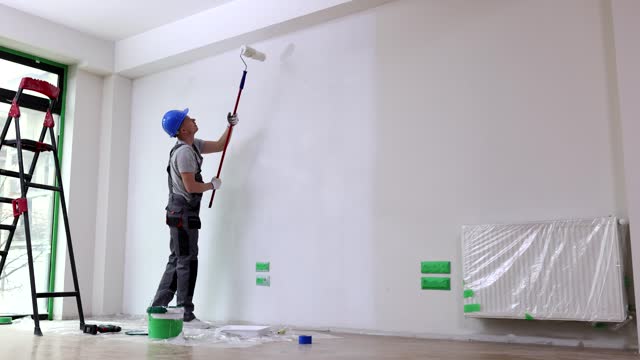
Selecting the right painter for your home requires more than just assessing their technical skills. A painter who genuinely cares about your individual project will display certain traits, attitudes, and practices that reflect their commitment to quality and customer satisfaction. Below are key signs to look for when identifying such a professional.
They Take Time to Understand Your Vision
- Asking detailed questions about the colors, finishes, and overall style you want.
- Actively listening to your ideas and offering thoughtful suggestions.
- Taking notes or creating a visual plan based on your input.
This approach ensures they align their work with the vision you have for your space.
They Value Personalized Service
- Conduct an on-site inspection before providing quotes.
- Offer tailored recommendations based on factors like lighting, room size, or existing decor.
- Are willing to incorporate special touches, such as accent walls or custom textures.
This level of personalization demonstrates their dedication to delivering results that suit you specifically.
They Communicate Clearly Throughout
- Provide clear timelines and keep you informed about progress.
- Respond promptly to questions or concerns without becoming defensive.
- Clearly outline steps of the painting process (e.g., preparation, priming, painting) so you know what to expect.
Open communication builds trust and ensures alignment between both parties.
Attention to Detail Is Evident in Their Work
| Detail-Oriented Practices | Why It Matters |
| Prepping surfaces meticulously | Ensures paint adheres evenly for a long-lasting finish |
| Using high-quality tools & materials | Produces better coverage and durability |
| Checking work against client feedback | Guarantees satisfaction with final results |
These extra efforts signify their commitment to excellence.
They Emphasize Proper Cleanup After Completion
- Removing all protective coverings (e.g., drop cloths).
- Disposing of leftover paint cans per environmental guidelines.
- Reviewing the completed area with you to confirm satisfaction before leaving.
Their focus on leaving behind a polished result shows they value not only aesthetics but also customer experience.
Testimonials Reflect Their Genuine Care
- Punctuality and reliability during the job.
- Positive interactions with clients throughout the process.
- High levels of satisfaction with both service quality and final outcomes.
By paying attention to these factors during research, you can identify painters who prioritize customer care as much as they do technical precision.
The Importance of Doing Thorough Research When Selecting a House Painter
Choosing the right house painter is a critical step in ensuring your painting project is completed to your satisfaction. Thorough research can help you avoid potential pitfalls, save money, and achieve a beautifully painted home that stands the test of time. Below are essential considerations and actionable tips on how to conduct comprehensive research when selecting a professional house painter.
Benefits of Researching Before Hiring
- Quality Assurance: A well-researched decision helps guarantee high-quality work and attention to detail.
- Time and Cost Efficiency: Prevent costly rework by hiring someone with proven expertise.
- Peace of Mind: Knowing you’ve made an informed choice gives confidence throughout the project.
Steps for Researching a House Painter
- Ask for recommendations from friends, family, or neighbors who have had positive experiences with painters.
- Search online directories or platforms like Google Reviews, Yelp, or Angie’s List for local professionals with high ratings.
- Check their website or social media pages for before-and-after photos of previous projects.
- Look for variety in their work to ensure they can handle different styles and requirements.
- Look for consistent praise in areas such as professionalism, punctuality, and craftsmanship.
- Pay attention to how contractors respond to negative reviews—this can display their commitment to customer satisfaction.
- Ensure they hold relevant licenses required by your local regulations.
- Check if they have liability insurance to protect both you and their team during the project.
- Ask for contact information of former clients who can vouch for the painter’s work quality and reliability.
- Follow up with references by asking specific questions about their experience.
Key Qualities to Look For in a Professional Painter
| Quality | Why It Matters |
| Experience | Experienced painters are more likely to deliver consistent results over time. |
| Communication Skills | Clear communication ensures alignment on expectations and timelines. |
| Attention to Detail | This trait is crucial for clean lines, even coats, and flawless finishes. |
| Reliability | Punctuality indicates respect for your time and trustworthiness as a contractor. |
Red Flags You Shouldn’t Ignore
- Lack of online presence or portfolio.
- Vague answers during consultations or unwillingness to provide references.
- No insurance coverage or proper licensing.
- Estimates that appear suspiciously low compared to other professionals.
Taking the time to perform due diligence when selecting a house painter will set the stage for a smooth process from start to finish while protecting your investment in your home’s appearance and value.
Essential Services to Look for When Hiring a Professional Painter
Hiring a professional painter can transform the look and feel of your home. However, not all painters offer the same level of service, and it’s crucial to know which essential services to prioritize when making your decision. Below, we break down some key services and considerations to help you make an informed choice.
1. Comprehensive Surface Preparation
High-quality painting begins with thorough surface preparation. Before applying paint, a professional painter should:
– Inspect surfaces for cracks, holes, or peeling paint.
– Clean walls to remove dirt, grease, or mildew that could affect paint adhesion.
– Sand and prime surfaces, ensuring a smooth base for the paint.
Proper preparation ensures durability and prevents unsightly blemishes from showing through the final coat.
2. Expert Color Consultation
Choosing the right color palette can be overwhelming. Many professional painters provide color consultation services to:
– Help you choose colors that complement your home’s style and décor.
– Offer advice on popular trends or timeless shades for interior and exterior spaces.
– Provide color samples or digital mock-ups to visualize outcomes before committing.
This service ensures you achieve a cohesive look throughout your home.
3. Use of High-Quality Materials
| Material Type | Why It Matters | Examples |
| Premium Paint | Offers better coverage, durability, and finish | Acrylic latex or enamel |
| Eco-Friendly Options | Safer for indoor environments; low VOC | Low-VOC paints |
| High-End Tools | Ensures cleaner application; minimizes streaks | Professional brushes/rollers |
Ensure your painter uses reputable brands known for their performance.
4. Transparent Pricing and Detailed Estimates
A trustworthy painter provides clear estimates that outline costs without hidden fees. These estimates should include:
– Labor charges based on scope of work (e.g., number of walls/rooms).
– Material costs like primer, paint finish types (matte vs semi-gloss), etc. – Additional fees such as wall repairs or moving furniture if applicable.
Transparent pricing helps you plan your budget effectively while avoiding unexpected expenses.
5. Post-Painting Cleanup Services
- Collection and disposal of empty cans, drop cloths, or tape.
- Removing stains/spills from floors or furniture.
- Repositioning furniture to its original place if it was moved during painting.
This service saves homeowners time while ensuring their space is immediately livable after completion.
6. Warranty on Workmanship
1) Written agreements outlining what is covered under warranty. 2) A proactive approach addressing concerns post-project.
This gives peace of mind knowing any potential issues will be resolved professionally.
Final Thoughts
By focusing on these essential services—surface preparation, expert consultation, premium materials, transparent pricing, cleanup assistance, and workmanship warranty—you’ll ensure that your chosen professional painter delivers both quality results and excellent customer service throughout every stage of the project.
- A Homeowner’s Guide to Choosing Painters Northwest Ohio Can Trust
- How to Choose the Best Painting Services Northwest Ohio to Bring Your Dream Home to Life
- How to Choose the Best Painting Company Ohio Has to Offer for Your Home Project
- How to Choose the Best Painters Northwest Ohio for Your Next Project
- Tips for Choosing Trusted Painters Northwest Ohio for Your Next Project
- What to Consider When Hiring a Painting Company in Ohio